
Sewing machine cabinet plans (PDF) offer crafters dedicated workspaces. These plans range from simple to complex, aiding organization and enhancing the sewing experience.
What is a Sewing Machine Cabinet?
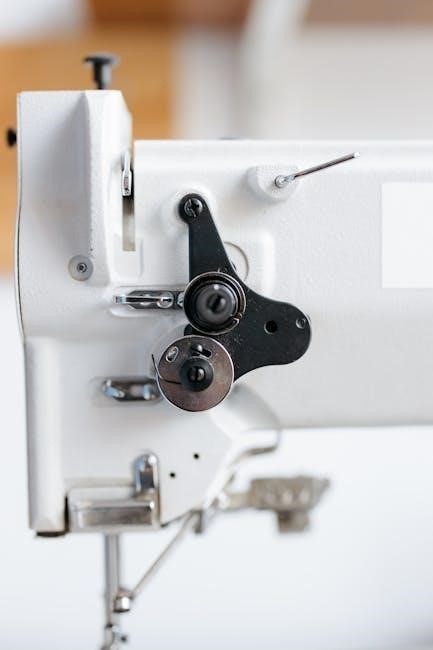
A sewing machine cabinet is a specifically designed piece of furniture created to house and support a sewing machine, offering a dedicated and organized workspace. Unlike simply placing a machine on a table, a cabinet integrates the machine into its structure, often with features tailored to sewing needs. Sewing machine cabinet plans (PDF) detail how to construct these units, ranging from basic, functional designs to elaborate, antique-style creations.
These cabinets frequently include storage solutions like drawers and shelves for fabrics, threads, and notions. Many plans cater to specific machine models, ensuring a perfect fit. The availability of downloadable sewing machine cabinet plans (PDF) empowers hobbyists and woodworkers to build custom solutions, optimizing their sewing space and workflow.
Why Use a Sewing Machine Cabinet?
Utilizing a sewing machine cabinet significantly enhances the sewing experience by providing a dedicated, ergonomic workspace. It keeps all essential supplies organized and readily accessible, boosting efficiency. A cabinet also protects your sewing machine from dust and accidental damage. Exploring sewing machine cabinet plans (PDF) allows for customization, ensuring the cabinet perfectly fits your machine and space;
Furthermore, a well-designed cabinet can improve posture and reduce strain during long sewing sessions. Accessing downloadable sewing machine cabinet plans (PDF) empowers you to build a cabinet tailored to your specific needs, potentially saving money compared to purchasing a pre-made unit. It’s a practical and rewarding project for DIY enthusiasts.

Types of Sewing Machine Cabinet Plans
Sewing machine cabinet plans (PDF) vary widely, including drop-leaf, wall-mounted, and portable designs, catering to diverse spaces and sewing preferences.
Drop-Leaf Sewing Machine Cabinets
Drop-leaf sewing machine cabinet plans (PDF) are incredibly popular for their space-saving design. These plans typically feature hinged sections that fold down to create a larger work surface when needed, and then fold up neatly against the wall when not in use.
PDF plans often detail precise measurements for the cabinet’s footprint, leaf dimensions, and the recessed area for the sewing machine itself. Many include instructions for incorporating storage solutions like drawers or shelves beneath the work surface.
Construction often involves plywood or solid wood, with detailed diagrams illustrating the joinery techniques. Beginners may find simpler plans with fewer intricate cuts, while experienced woodworkers can tackle more complex designs. The downloadable PDF format allows for easy printing and referencing throughout the build process.
Wall-Mounted Sewing Machine Cabinets
Wall-mounted sewing machine cabinet plans (PDF) provide a fantastic solution for smaller spaces, maximizing floor area. These plans generally involve constructing a cabinet that securely attaches to a wall, creating a dedicated sewing station without occupying valuable room.
PDF plans for these cabinets emphasize sturdy construction and proper wall anchoring techniques. Detailed diagrams illustrate how to locate wall studs for secure mounting, ensuring the cabinet can safely support the weight of the sewing machine and materials.
Many plans incorporate fold-down work surfaces or shelves that can be tucked away when not in use, further enhancing space efficiency. The downloadable PDF format allows for careful review of structural requirements before beginning construction, promoting a safe and functional outcome.
Portable Sewing Machine Cabinets
Portable sewing machine cabinet plans (PDF) cater to sewists who need flexibility and mobility. These plans focus on creating lightweight yet durable cabinets, often featuring handles or casters for easy transport. Ideal for classes, workshops, or simply moving between rooms, portability is key.
PDF plans typically detail construction using lighter-weight wood or plywood, prioritizing ease of handling. Designs often include folding legs or collapsible features for compact storage and transport. Detailed cutting lists and assembly instructions are crucial for successful builds.
Many downloadable plans also incorporate built-in storage for essential supplies, ensuring everything needed is readily available wherever you sew. The PDF format allows for easy printing and referencing during the building process, streamlining the construction.
Finding Sewing Machine Cabinet Plans (PDF)
Sewing machine cabinet plans (PDF) are readily available online, both free and for purchase. Numerous websites and marketplaces offer diverse designs for all skill levels.
Free Online Resources for Plans
Numerous websites provide free sewing machine cabinet plans in PDF format. These resources often feature designs submitted by hobbyists and woodworking enthusiasts, offering a wide variety of styles and complexities. Websites dedicated to DIY projects and woodworking frequently host collections of these plans, allowing users to download and utilize them for personal projects.
However, it’s crucial to exercise caution when using free plans. Quality can vary significantly, and some plans may lack detailed instructions or accurate measurements. Always carefully review the plans before starting construction, and consider checking for user feedback or completed project photos to assess the plan’s reliability. Pinterest and online forums dedicated to sewing and woodworking are also excellent places to discover links to free sewing machine cabinet plans (PDF).
Paid Plan Providers & Marketplaces
For more detailed and professionally designed sewing machine cabinet plans (PDF), several paid providers and online marketplaces exist. These sources typically offer plans created by experienced woodworkers and designers, ensuring accuracy and clarity in instructions. Platforms like Etsy and specialized woodworking plan websites feature a diverse selection of plans, ranging in price and complexity.
Investing in paid plans often provides benefits such as comprehensive material lists, detailed cutting diagrams, and step-by-step assembly guides. Some providers even offer customer support to assist with any questions or challenges during the building process. While requiring an upfront cost, paid plans generally deliver a higher level of quality and reliability compared to free alternatives, ultimately saving time and frustration.
Key Considerations When Choosing a Plan
Selecting the right sewing machine cabinet plan (PDF) requires careful consideration of several factors. First, assess your skill level – beginner, intermediate, or advanced – and choose a plan that aligns with your woodworking capabilities. Next, verify the plan’s dimensions and ensure compatibility with your specific sewing machine model.
Evaluate the storage needs; do you require ample drawers, shelves, or specialized compartments? Consider the available space in your sewing room and select a cabinet size that fits comfortably. Finally, review the plan’s clarity and completeness – detailed instructions, accurate diagrams, and a comprehensive material list are crucial for a successful build. Prioritize plans with positive reviews from other builders.
Essential Features in Sewing Machine Cabinet Plans
Sewing machine cabinet plans (PDF) should detail precise dimensions, ample storage solutions like drawers, and effective cord management for a tidy workspace.
Dimensions and Machine Compatibility
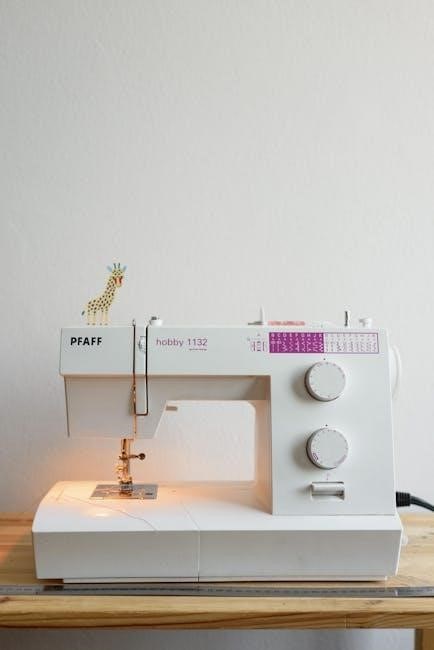
Sewing machine cabinet plans (PDF) must prioritize accurate dimensions to ensure your machine fits seamlessly. Plans should clearly specify internal cabinet width, depth, and height, accounting for free-arm operation if applicable.
Compatibility is key; plans often cater to standard machine sizes, but always verify measurements against your specific model. Consider the machine’s footprint, including any extension tables or accessories. Detailed plans will include diagrams illustrating machine placement within the cabinet.
Furthermore, assess the height of the work surface relative to your seated position for ergonomic comfort. Adjustable height options within the plans are a significant advantage. Ignoring these details can lead to a frustrating build and an unusable cabinet.
Storage Solutions (Drawers, Shelves)
Sewing machine cabinet plans (PDF) frequently emphasize integrated storage. Effective plans detail drawer dimensions and placement, ideal for threads, patterns, and small tools. Shelves are crucial for larger items like fabric bolts and notions.
Consider the plan’s approach to maximizing space. Adjustable shelves offer versatility, while dedicated compartments keep supplies organized. Some plans incorporate pull-out trays for easy access. Look for designs that utilize often-wasted space, such as areas beneath the sewing machine platform.
Evaluate if the storage solutions align with your sewing habits. A plan with numerous small drawers might suit a quilter, while a larger cabinet with ample shelving benefits garment makers.
Cord Management Systems
Sewing machine cabinet plans (PDF) often overlook a critical detail: cord management. A well-designed plan will incorporate solutions to prevent tangled messes and tripping hazards. Look for features like built-in cord channels, grommets, or concealed compartments.
Effective plans detail how to route the power cord neatly from the machine to an outlet, minimizing visible cables. Some designs include retractable cord reels or dedicated spaces for foot pedal cords. Consider plans that allow for easy access to the cord for adjustments or replacements.
Prioritize safety and a clean workspace. A tidy cord setup not only looks better but also reduces the risk of accidents and damage to the cord itself.
Building Your Sewing Machine Cabinet
Sewing machine cabinet plans (PDF) require careful material selection and tool preparation for successful construction, ensuring a functional and aesthetically pleasing result.
Materials Needed (Wood, Hardware)
Sewing machine cabinet plans (PDF) typically necessitate a variety of wood types, depending on desired aesthetics and budget. Plywood is a common, cost-effective choice for the cabinet’s core structure, offering stability. For a more refined look, consider solid hardwoods like oak, maple, or birch for doors, drawers, and decorative elements.
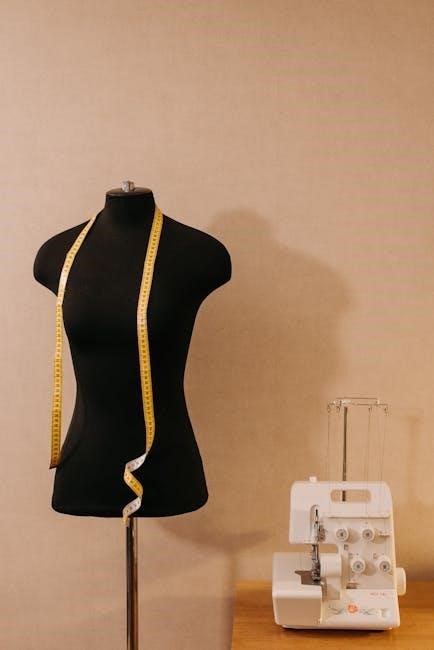
Beyond wood, essential hardware includes screws (various sizes for assembly), wood glue for strong bonds, hinges for doors, drawer slides for smooth operation, and pulls or knobs for aesthetic appeal and functionality. Don’t forget edge banding to cover exposed plywood edges, creating a professional finish. Depending on the plan, you might also need specialized hardware like lift mechanisms for drop-leaf designs or casters for portability. Accurate measurements from your sewing machine cabinet plans (PDF) are crucial for hardware selection.
Tools Required for Construction
Successfully executing sewing machine cabinet plans (PDF) demands a well-equipped workshop. Essential power tools include a circular saw or table saw for accurate wood cuts, a drill/driver for assembling components, and a sander (orbital or belt) for smoothing surfaces. A jigsaw is helpful for curved cuts or intricate designs.
Hand tools are equally important: a measuring tape, square, level, and clamps ensure precision and stability during assembly. A screwdriver set (Phillips and flathead) is vital for hardware installation. Safety gear – safety glasses, dust mask, and hearing protection – are non-negotiable. Depending on the plan’s complexity, you might also need a router for edge profiling or a pocket-hole jig for concealed joinery. Review your sewing machine cabinet plans (PDF) thoroughly to identify all necessary tools before starting.
Step-by-Step Assembly Guide
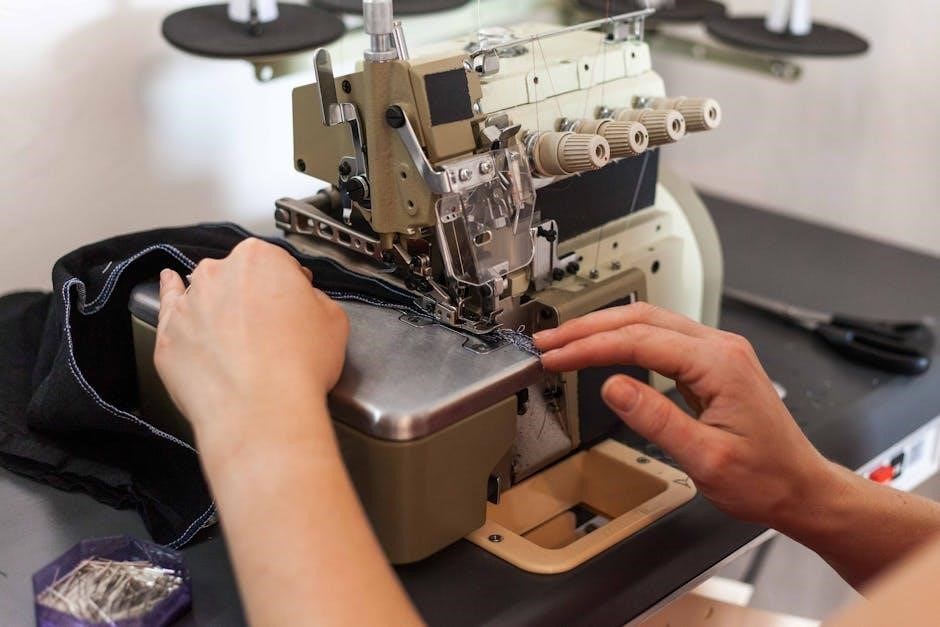
Following sewing machine cabinet plans (PDF) requires a systematic approach. Begin by carefully cutting all wood pieces according to the dimensions provided. Assemble the cabinet base first, ensuring square corners using a carpenter’s square and clamps. Next, construct the side panels and attach them to the base, utilizing screws or wood glue and dowels for strength.
Install any internal shelves or drawers, referencing the plan for proper placement and alignment. Create the opening for your sewing machine, verifying dimensions before final attachment. Finally, add the cabinet top, ensuring a flush and secure fit. Throughout the process, frequently check for level and squareness. A detailed sewing machine cabinet plans (PDF) will offer clear illustrations and instructions at each stage.
Customization and Finishing Touches
Sewing machine cabinet plans (PDF) allow personalization! Painting, staining, or adding decorative elements elevates the cabinet’s aesthetic and reflects your style.
Painting and Staining Options
Sewing machine cabinet plans (PDF) often leave finishing choices open, allowing for creative expression. When considering paint, select durable options designed for wood, like enamel or acrylic latex. Primer is crucial for adhesion and a smooth finish. Staining showcases wood grain beautifully; options range from light natural tones to rich, dark hues.
Preparation is key – sanding ensures even color absorption. Multiple thin coats are preferable to one thick coat, preventing drips and ensuring durability. Consider the room’s décor when selecting colors. A lighter finish brightens a space, while darker shades offer a classic, sophisticated look. Polyurethane or varnish protects both paint and stain, adding resilience against scratches and wear. Remember to allow adequate drying time between coats!
Adding Decorative Elements
Sewing machine cabinet plans (PDF) provide a base for personalization. Decorative elements elevate a functional piece into a beautiful focal point. Consider adding molding – simple trim can dramatically enhance the cabinet’s appearance. Knobs and pulls offer another opportunity for customization; vintage styles or modern metallics can reflect your taste.
Stencils and painted designs add unique flair. Fabric panels inserted into recessed areas create a charming, textile-inspired look. Decoupage with patterned paper or fabric scraps is another creative option. Small details, like edge banding or contrasting paint colors, can make a big impact. Remember to seal any decorative additions with a protective finish to ensure longevity and prevent damage from use.
Ergonomic Considerations for Comfort
Sewing machine cabinet plans (PDF) should prioritize user comfort during long sewing sessions. Proper height is crucial; the cabinet’s surface should align with your elbow height when seated. Consider a knee space allowing comfortable leg positioning, preventing strain. Adequate lighting is essential – plan for integrated lights or space for a lamp.
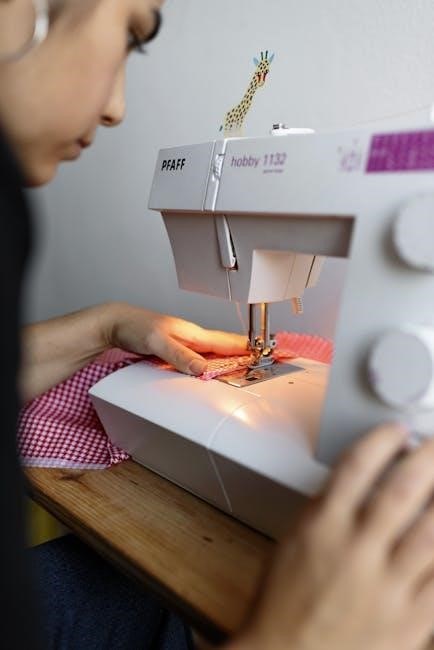
Think about the placement of frequently used tools and materials within easy reach, minimizing stretching and bending. A slightly sloped work surface can reduce wrist strain. Adjustable features, if possible, cater to different users. Prioritizing ergonomics transforms sewing from a chore into a pleasurable, sustainable hobby, reducing fatigue and potential injuries.